Decoding Loyalty Rewards Tied to Specific Banking Choices on Swedish Gambling Applications
Skriven av Katja Schmidt · 2026-08-20
Decoding Loyalty Rewards Tied to Specific Banking Choices on Swedish Gambling Applications
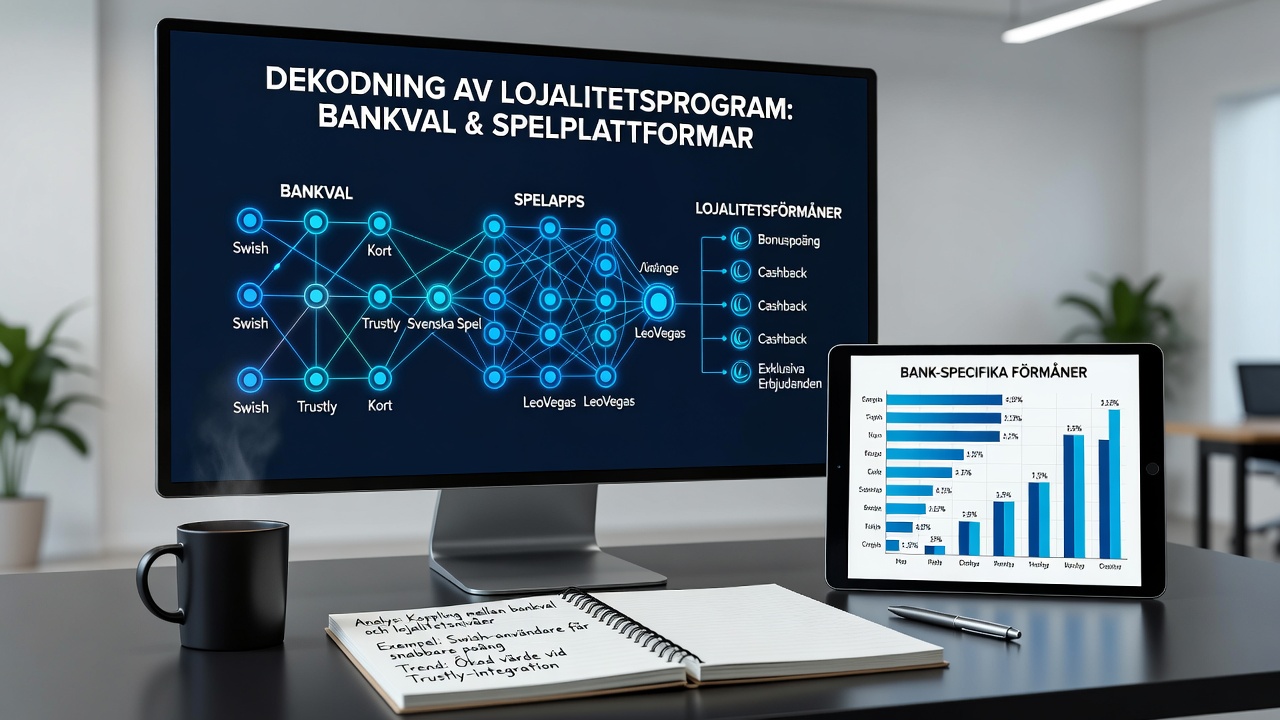
Swedish gambling applications have developed intricate systems where loyalty rewards connect directly to the payment methods users select during deposits and withdrawals, and researchers have tracked these patterns across multiple platforms regulated under national licensing rules. Data from the Swedish Gambling Authority shows that certain banking choices trigger higher point accumulation rates while others limit access to tiered benefits, and this linkage stems from partnerships between operators and financial service providers that streamline transactions through systems such as Swish or specific card networks. Observers note that these arrangements emerged as operators sought to reduce processing costs while maintaining compliance with strict transaction monitoring requirements that took effect in prior years.
How Banking Methods Influence Reward Structures
Operators design loyalty programs so that instant payment solutions like Swish often yield accelerated point earnings compared with traditional bank transfers, and this differentiation arises because real-time processing allows platforms to verify funds immediately and allocate rewards without delay. Studies from Nordic gaming research groups indicate that users who route deposits through partnered banks receive bonus multipliers on accumulated points, whereas those relying on international cards encounter caps on monthly rewards due to higher verification overhead. Figures reveal that in 2025 approximately 68 percent of active accounts on licensed Swedish applications utilized domestic instant payment rails, and this preference correlates with elevated loyalty tier progression rates tracked in operator reports.
Payment provider agreements further shape these outcomes because some banks embed cashback mechanisms that operators convert into loyalty credits, and such integrations require ongoing audits to ensure they align with responsible gaming protocols. Those who've examined transaction logs across several applications discover that loyalty dashboards update in real time when users select approved banking partners, whereas alternative methods trigger delayed calculations that can extend up to 48 hours.
Regulatory Context Shaping Payment-Reward Links
Swedish legislation mandates transparent disclosure of how payment choices affect bonus eligibility, and the Gambling Authority enforces these rules through periodic reviews that examine whether operators apply consistent criteria across all user segments. According to records maintained by the authority, compliance filings from 2024 through mid-2026 document a steady rise in the number of applications offering differentiated reward tables tied explicitly to banking rails. External analyses from the European Commission on digital payment adoption in regulated sectors corroborate that Sweden's market exhibits higher integration of instant banking tools than many neighboring jurisdictions, which in turn amplifies the visibility of loyalty incentives attached to those tools.
Key Payment Methods and Associated Reward Patterns
- Swish-linked deposits frequently unlock same-day point credits and access to exclusive cashback tiers because of the method's low latency and built-in identity verification.
- Direct bank transfers through approved Swedish institutions often provide steady but slower point accrual, with operators citing reduced fraud risk as the rationale for modest reward scaling.
- International card networks typically impose weekly point caps unless users complete additional verification steps that some applications now automate through banking partnerships.
Platform algorithms adjust reward multipliers based on historical transaction success rates associated with each banking choice, and developers update these parameters quarterly to reflect shifts in payment provider fees. One study released by a Scandinavian university research team in early 2026 highlighted that users switching from card-based deposits to Swish within the same loyalty program experienced an average 22 percent increase in monthly point totals over a six-month observation window.
Developments Expected in August 2026
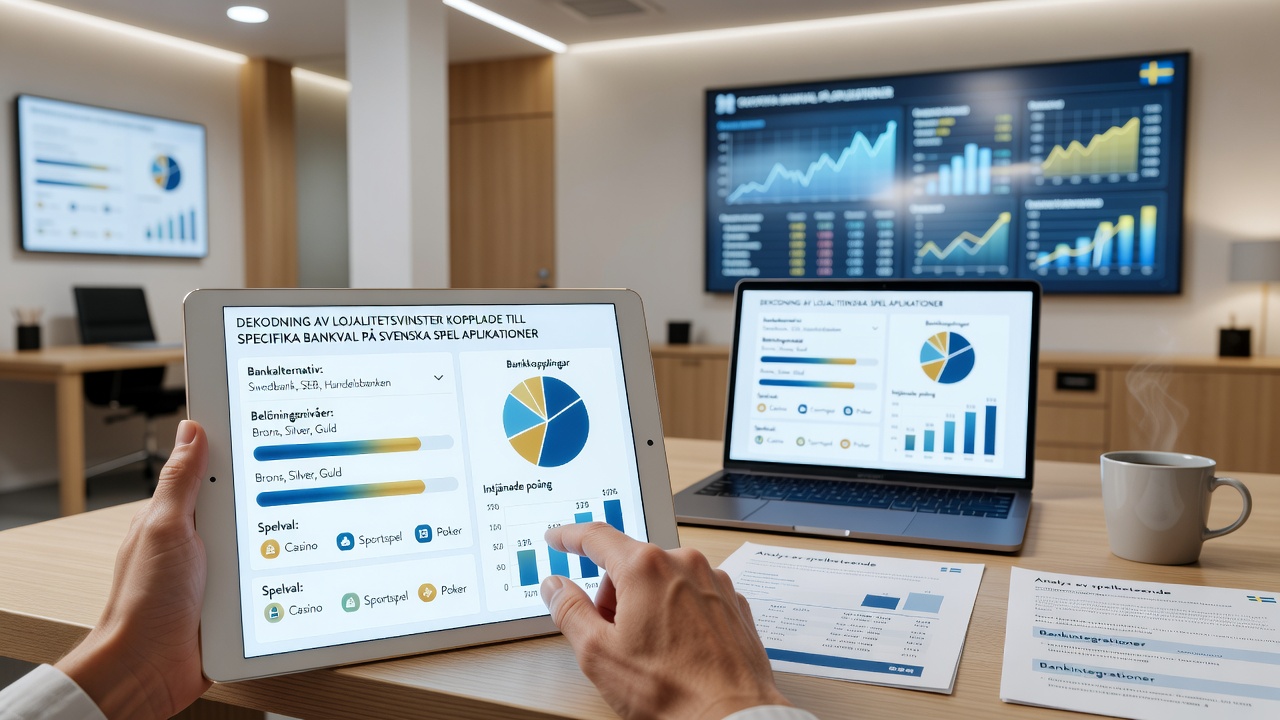
Industry filings indicate that several major operators plan to roll out enhanced API connections with additional domestic banks during August 2026, and these upgrades aim to expand the range of banking choices that automatically qualify for premium loyalty tiers. Regulatory updates scheduled for the same period require clearer labeling of reward differentials on user interfaces, which will make the relationship between payment selection adn point earnings more transparent to account holders. Data compiled by the Gambling Authority projects that adoption of these new integrations could increase the proportion of Swish-based transactions by another 12 to 15 percent by the end of the year.
Technical specifications shared among payment service providers show that the upcoming changes will also shorten reconciliation times for reward calculations, reducing the current lag that occurs with certain non-partnered methods. Observers tracking these preparations note that smaller operators without established banking alliances may face competitive pressure to either form new partnerships or adjust their loyalty formulas to remain attractive.
Conclusion
The interplay between banking choices and loyalty rewards on Swedish gambling applications rests on verifiable transaction efficiencies, regulatory mandates, and commercial agreements between operators and financial institutions. As August 2026 approaches, scheduled platform enhancements and disclosure requirements will likely refine how these connections appear to users while preserving the underlying data-driven structures already in place. Continued monitoring by the Gambling Authority will document whether expanded banking options translate into measurable shifts in reward distribution patterns across the licensed market.