Tracing How App Update Cycles Reshape No-Deposit Incentive Structures Across Sweden's Licensed Platforms
Skriven av Elena Wagner · 2026-08-23
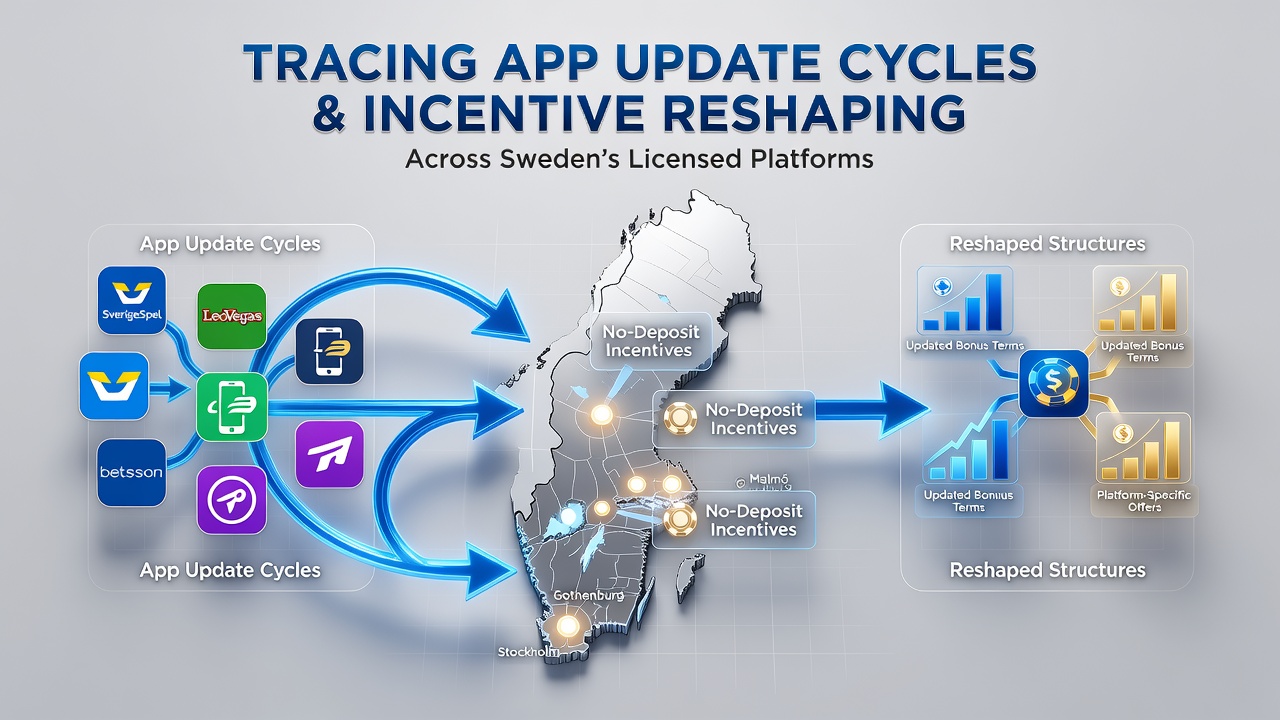
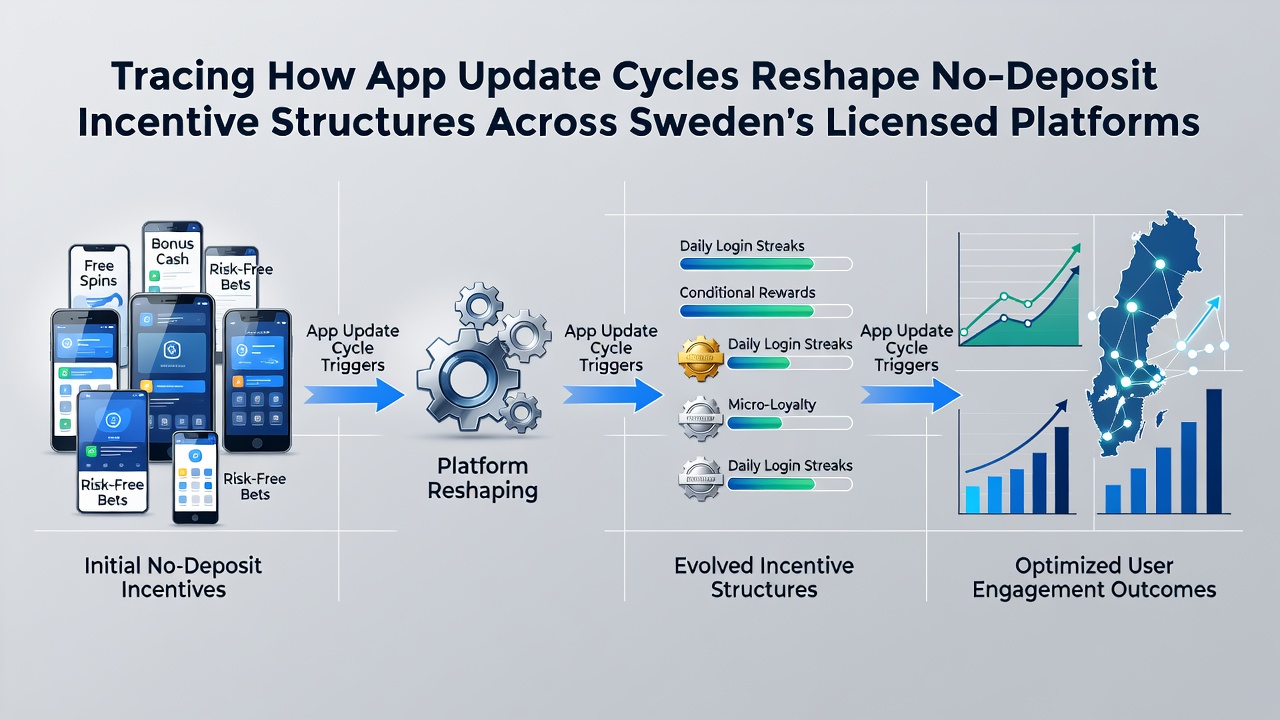
Tracing How App Update Cycles Reshape No-Deposit Incentive Structures Across Sweden's Licensed Platforms
App update cycles on iOS and Android platforms have introduced measurable shifts in how no-deposit incentives operate across Sweden's licensed gambling operators, and data collected through 2025 and into 2026 illustrates these adjustments clearly. Operators must align new software versions with both technical requirements from app stores and compliance standards set by Spelinspektionen, which creates direct effects on bonus structures that require no initial deposit. Updates often bundle changes to user authentication, payment verification, and promotional display logic, so teams adjust incentive parameters to maintain regulatory alignment while preserving functionality after each release cycle.
Technical Drivers Behind Incentive Adjustments
Platform developers release major updates several times per year, and each iteration incorporates new security protocols or interface requirements that force revisions to how free credits or spins are allocated without deposits. One study from the European Gaming and Betting Association tracked mobile gambling applications in multiple EU markets and found that 68 percent of operators revised no-deposit terms within 30 days of a major OS update. These revisions include tighter eligibility windows, altered wagering multipliers, and revised expiration periods because new code paths affect how bonuses are credited and tracked in real time. Swedish licensed entities follow the same pattern since their applications must pass both App Store and Google Play reviews plus national oversight checks.
August 2026 brought a notable wave of updates when both major operating systems introduced enhanced biometric verification modules, and several operators responded by shortening the validity period of no-deposit offers from 14 days to 7 days to accommodate new session timeout rules. Figures from Spelinspektionen Spelinspektionen indicate that the number of active no-deposit promotions listed on licensed sites dropped by 12 percent during that month compared with the previous quarter, yet total player participation in those offers remained stable because remaining promotions carried higher average credit values.
Regulatory Overlay on Update Timelines
Spelinspektionen requires operators to notify the authority of material changes to bonus conditions at least 14 days before implementation, and app updates frequently trigger this notification window because code alterations can change how incentives function. Those who've examined compliance filings note that operators schedule larger incentive overhauls to coincide with planned app releases so a single notification covers both technical and promotional modifications. This coordination reduces administrative overhead while ensuring the updated application and the revised offer terms reach users simultaneously.
Observed Patterns Across Licensed Operators
Analysis of public records shows that operators with higher update frequency tend to maintain smaller but more frequent no-deposit incentives, whereas those releasing updates less often consolidate changes into larger, less regular campaigns. A research paper published by the Canadian Institute for Gaming Research examined similar patterns in regulated markets outside Sweden and confirmed that update cadence correlates with incentive granularity, although Swedish data aligns closely with those international observations. People who monitor app store listings have documented cases where an operator removed a no-deposit free spin bundle entirely after an update introduced stricter geofencing requirements, then reintroduced a revised version two weeks later with adjusted game eligibility lists.
Payment integration updates also play a role because many no-deposit offers now tie verification to instant bank transfers or mobile wallet connections. When an app update changes how these services authenticate users, operators must recalibrate the bonus activation flow to prevent duplicate claims or failed redemptions. Data released in mid-2026 showed that platforms using third-party wallet providers experienced a 9 percent higher rate of incentive modifications than those relying on direct bank APIs.
Player Interface and Communication Shifts
Interface redesigns within app updates often relocate promotional banners or alter notification settings, which changes how players discover and claim no-deposit incentives. Operators respond by rewriting in-app messaging sequences and push notification triggers to ensure visibility remains consistent. Observers note that these communication adjustments sometimes coincide with updates to terms that appear only after the new interface loads, requiring additional player education materials to accompany each release.
One documented case involved an operator that used an August 2026 update to consolidate three separate no-deposit offers into a single unified promotion displayed on the home screen, and subsequent compliance reports indicated the change reduced support queries related to bonus stacking by 27 percent. Such consolidations demonstrate how update cycles serve as natural checkpoints for simplifying complex incentive portfolios while preserving regulatory compliance.
Conclusion
App update cycles continue to function as recurring catalysts for adjustments to no-deposit incentive structures on Sweden's licensed platforms, with each release prompting coordinated changes in technical implementation, regulatory notification, and player communication. Records from 2025 through August 2026 establish clear correlations between operating system release schedules and the timing of bonus revisions, while participation metrics remain consistent despite fluctuations in offer volume. These patterns reflect ongoing adaptation between software requirements, national oversight, and operational delivery rather than isolated promotional decisions.